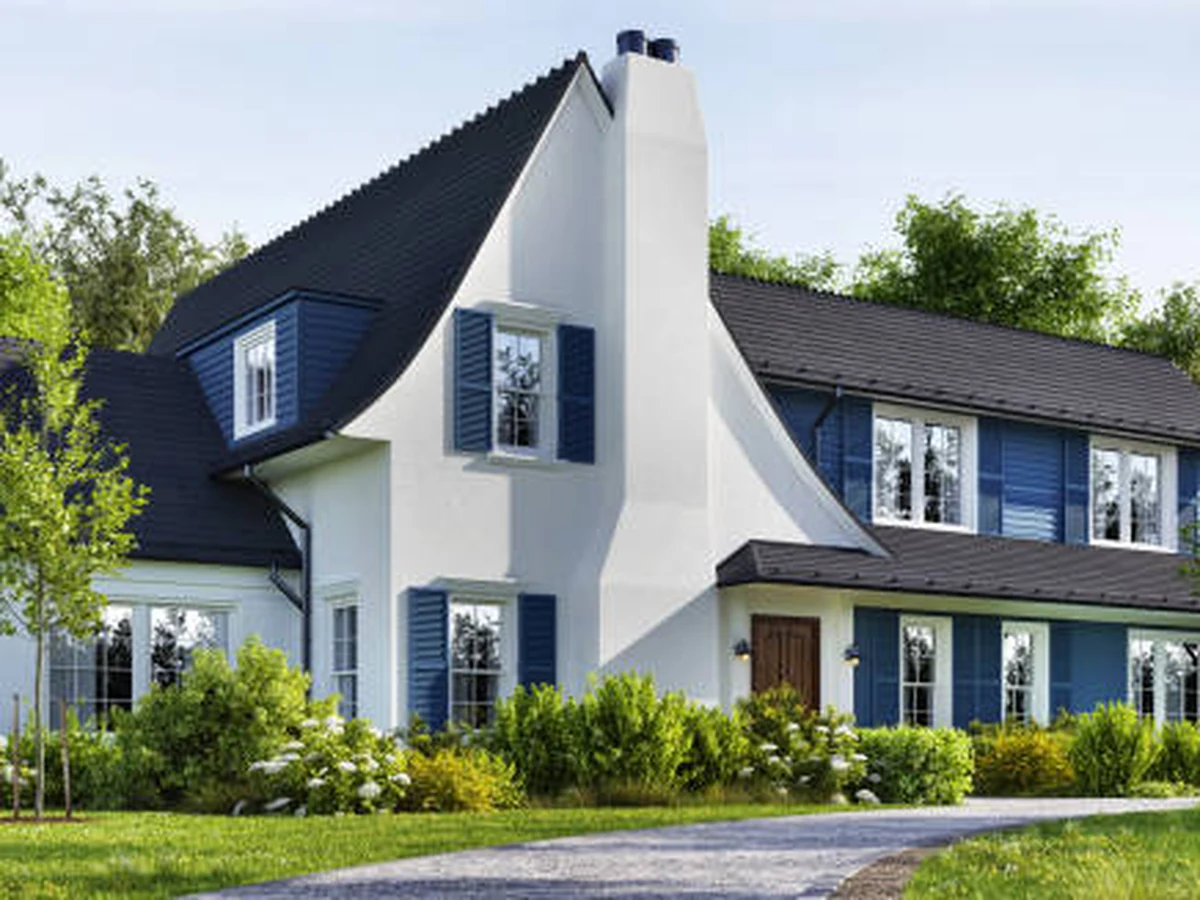
Algae, Moss, and Lichen on Rendered Walls
Green algae, moss, and lichen on rendered walls are common in Berkshire, particularly on elevations that face north or are shaded by mature trees. Painting over biological growth without treatment is one of the most common causes of early coating failure — the growth continues to work beneath the paint film and the surface lifts.
We apply a mould treatment before washing and preparation. This kills the growth at the root and leaves the surface clean. We most often see significant growth on homes in Finchampstead with woodland surroundings and on properties in the older streets of Wokingham town centre.
Pressure Washing and Surface Cleaning
A thorough pressure wash follows the mould treatment. This removes all loosened growth, dirt, and any chalky or flaking paint that would prevent the new coating from bonding. For north-facing walls with heavy growth, a post-paint application of fungicidal treatment extends the life of the coating.
This step is standard when Wokingham Painters prepare any rendered surface — not an optional extra.
Masking and Preparation
Windows, doors, sills, and any adjacent surfaces are masked before any paint is applied. Clean masking at window reveals and wall junctions is important to the finished appearance, particularly on rendered properties where the contrast between window frame and wall colour is sharp.
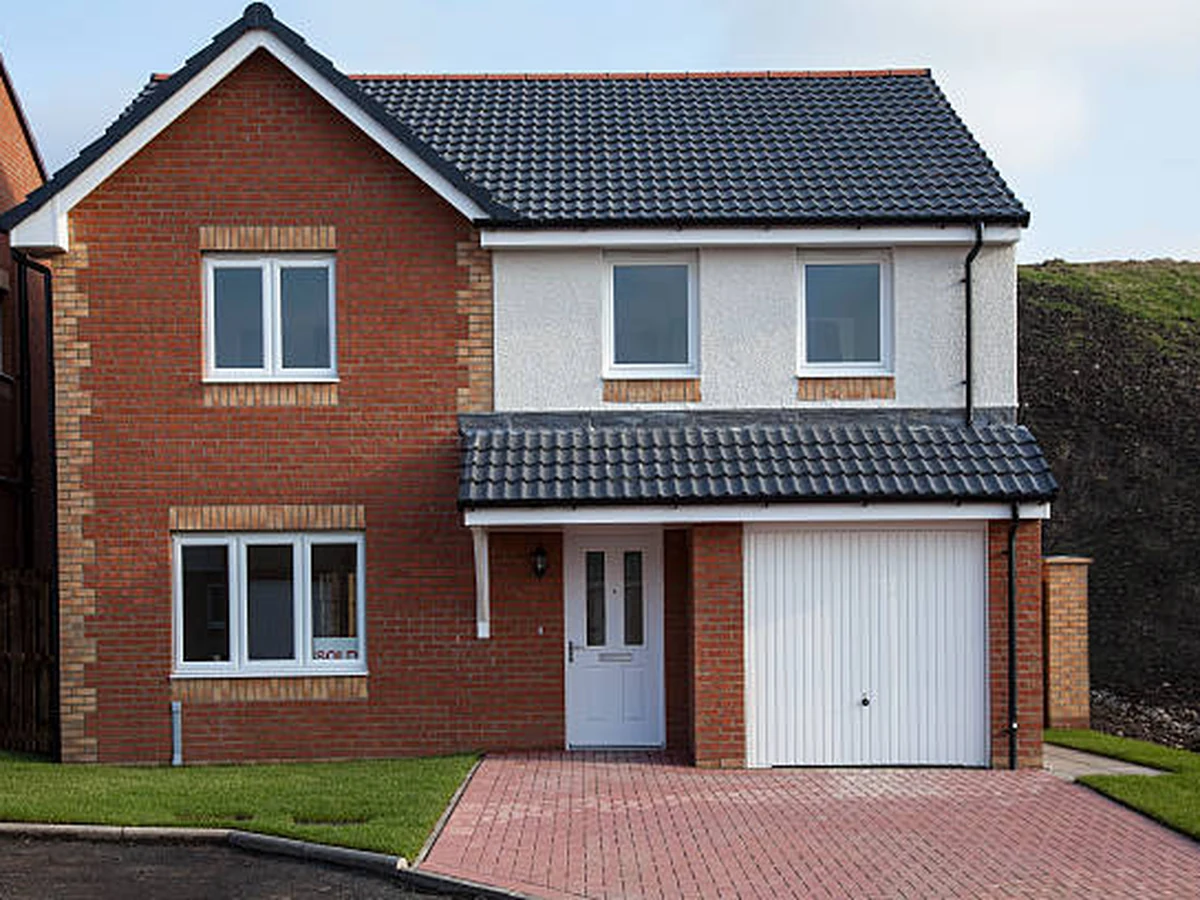
Where rendering meets brickwork — common on the mixed-finish postwar semis across Wokingham — the masking line is critical to a clean result.
Two-Coat System
Two coats of masonry paint are standard on all rendered surfaces. The first coat penetrates and bonds; the second delivers the finished colour and weather protection. On porous or bare render, a stabilising primer or diluted first coat is applied before the two finish coats.